The View From Gaia
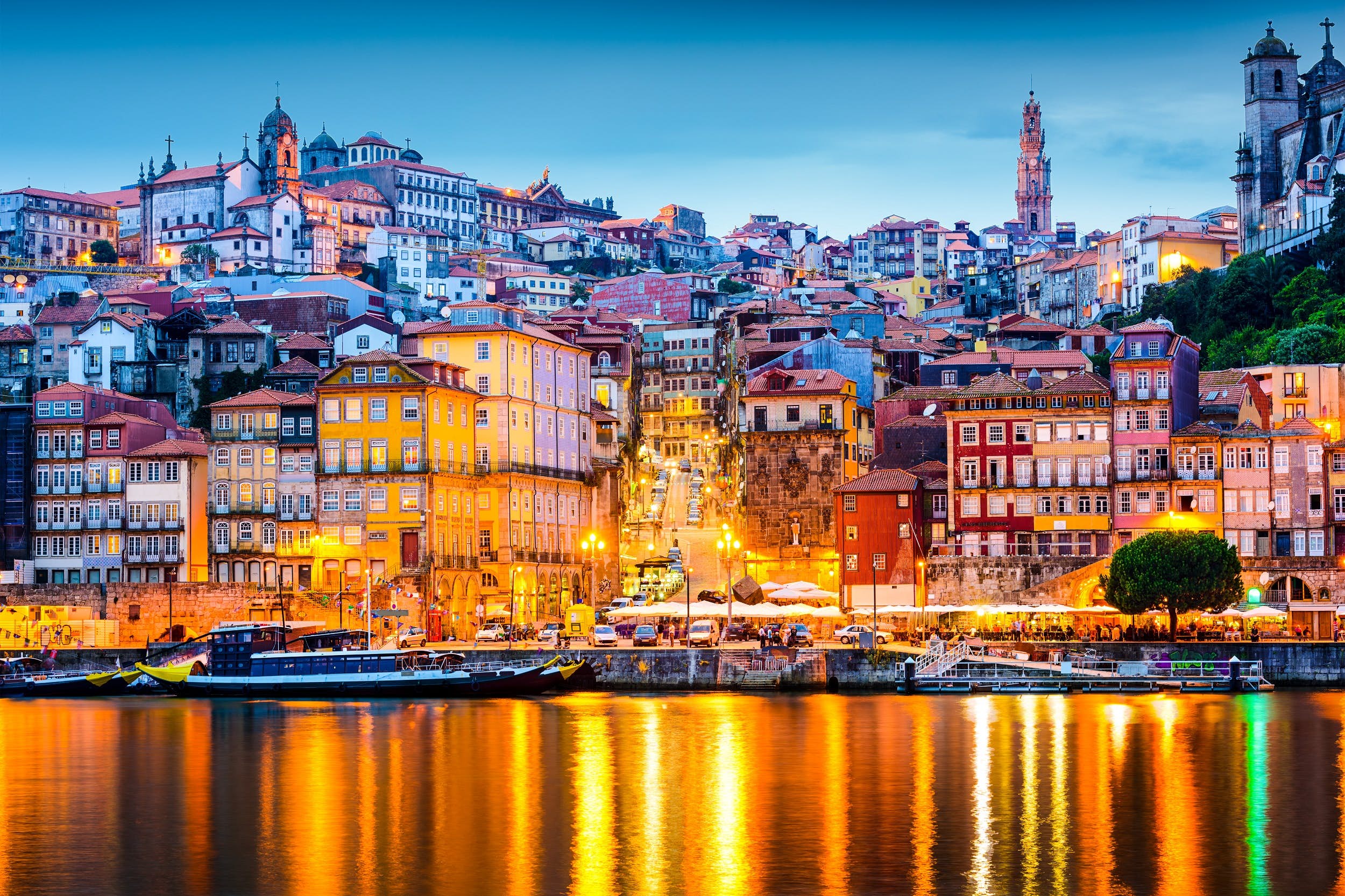
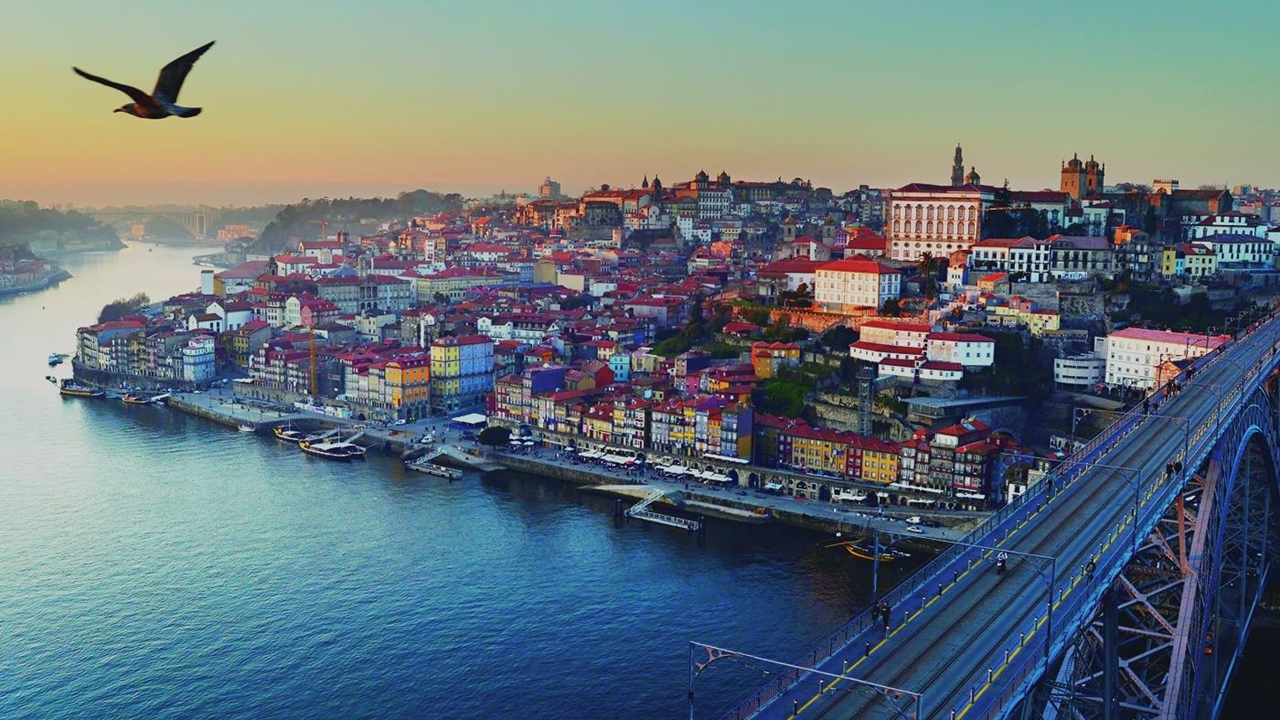
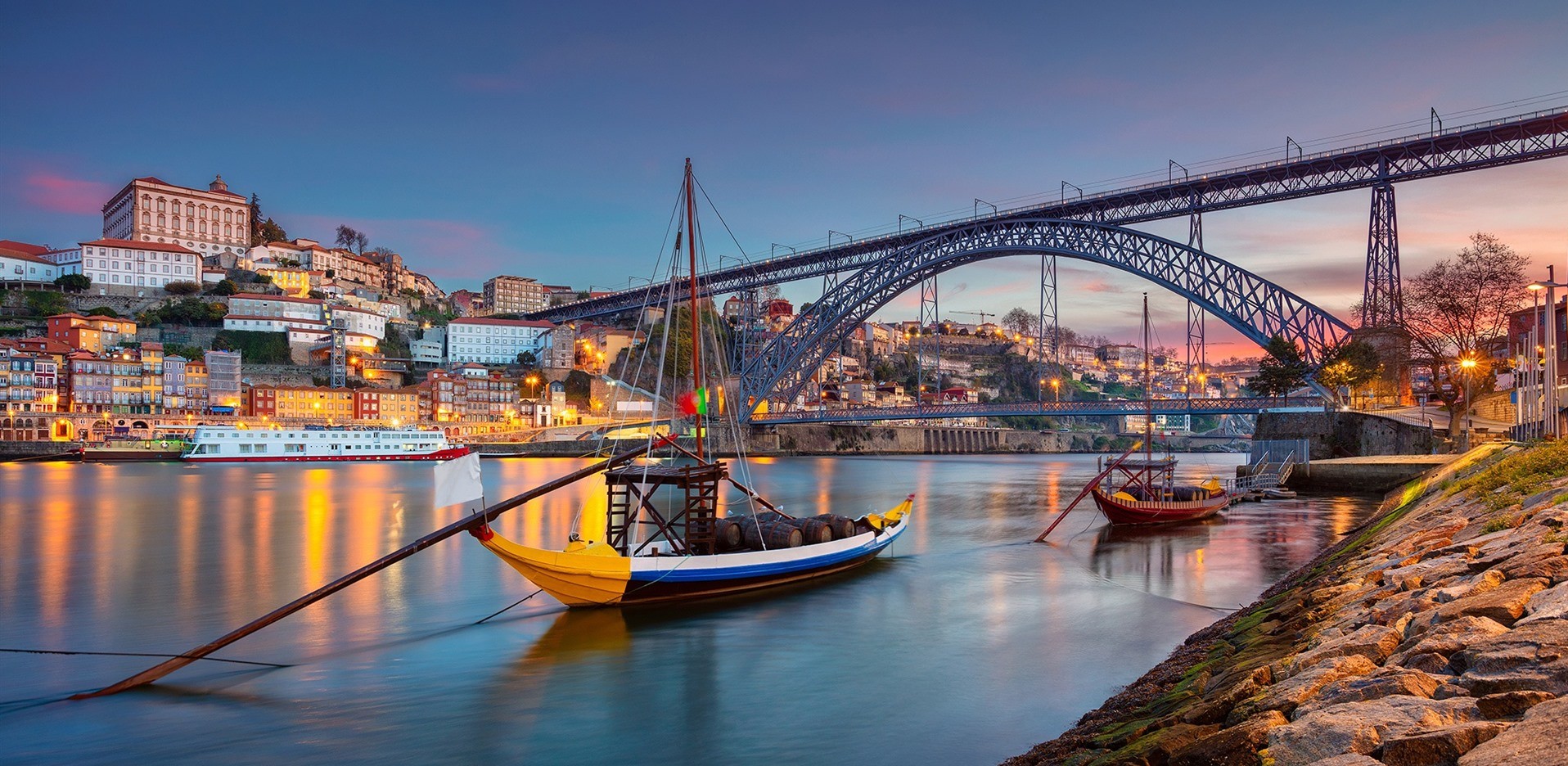
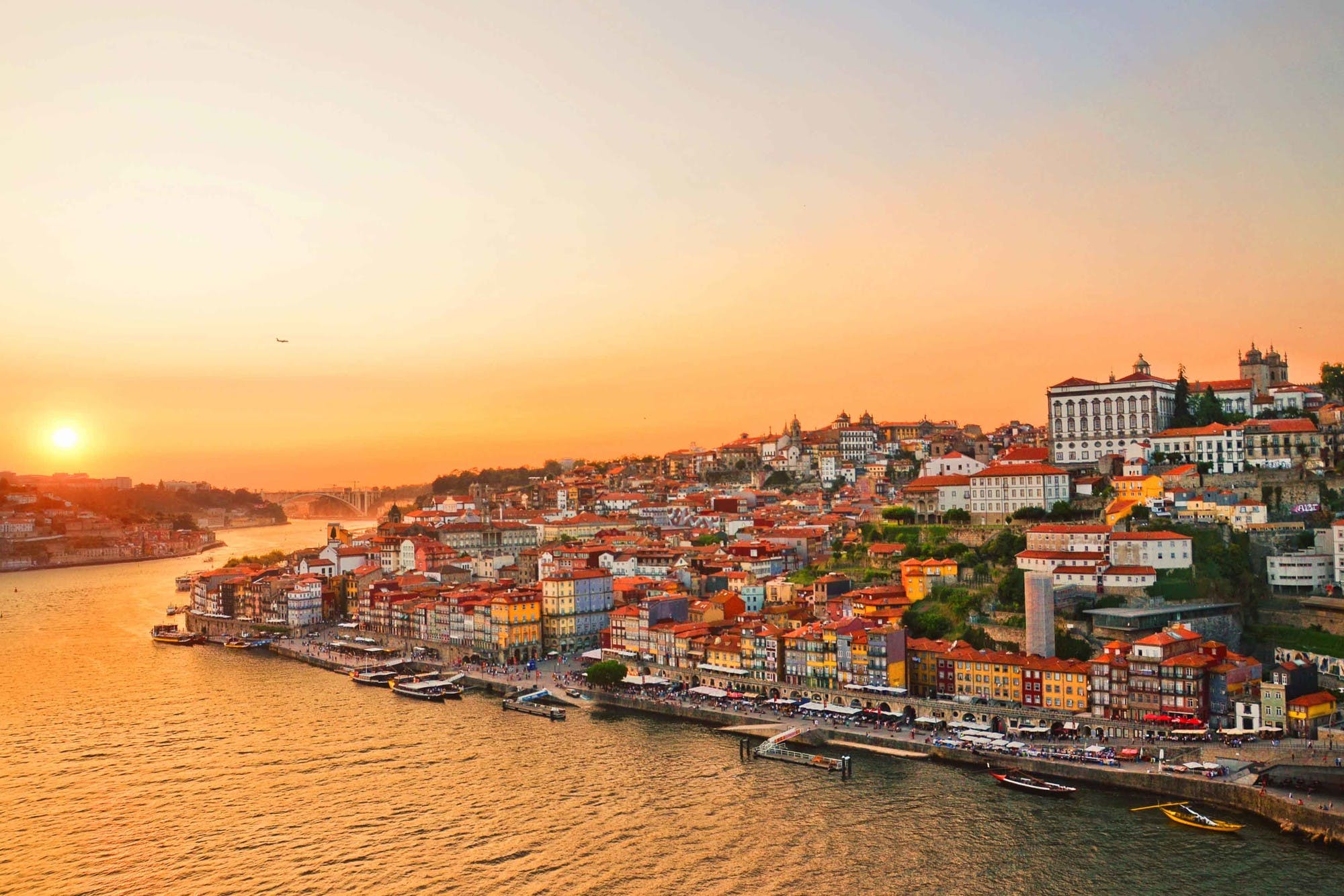
The view from Gaia towards Porto is most probably the first postcard you see from Porto. Because Porto’s downtown is on a hill, when you look the city from the other side of the river you can’t see any modern buildings and the view you get is pretty much the same you would get hundreds of years ago, when Porto was still a medieval city. This is something you cannot miss and you just have to cross the bridge to get it!
Graham’s – Porto Wine Cellars
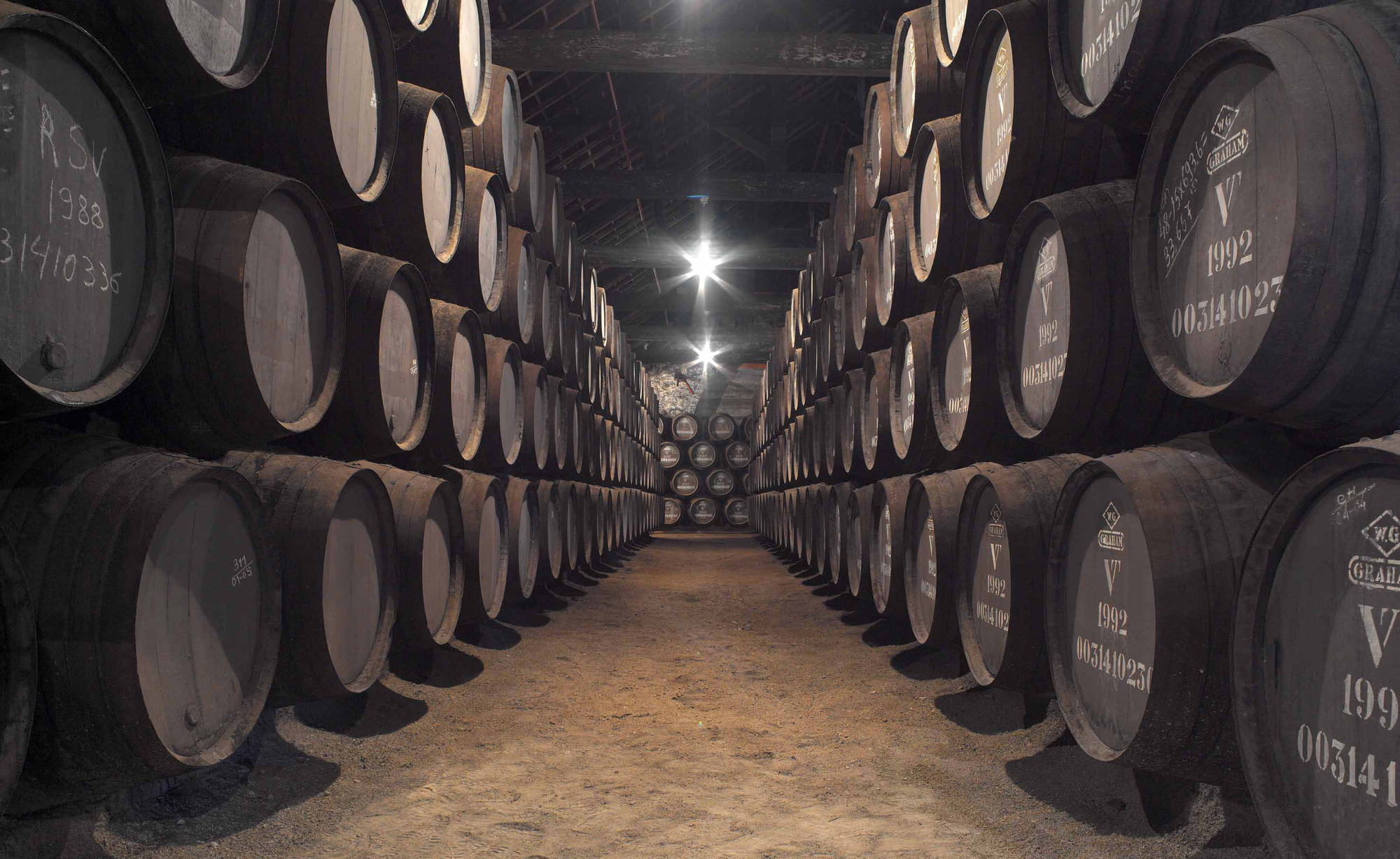
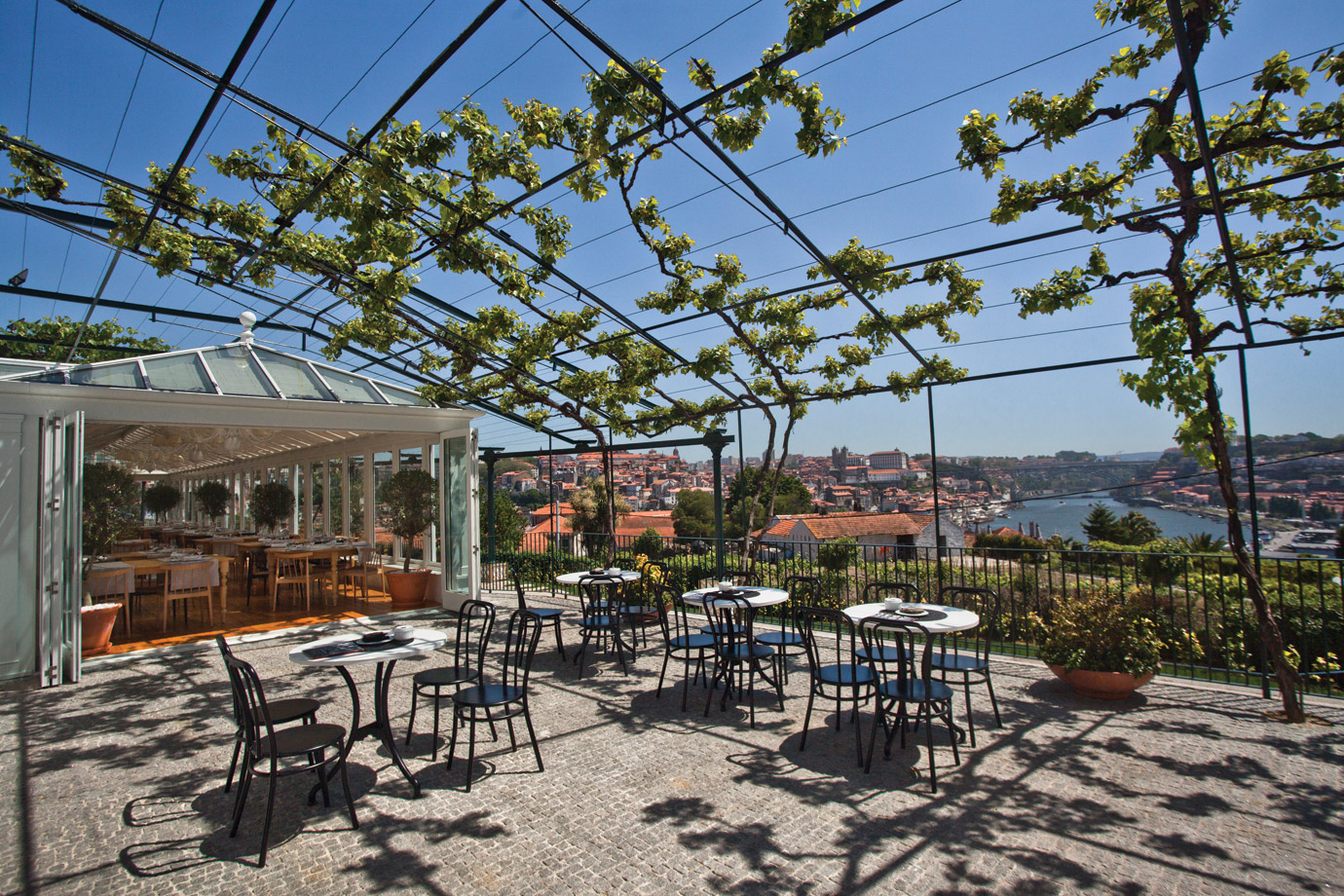
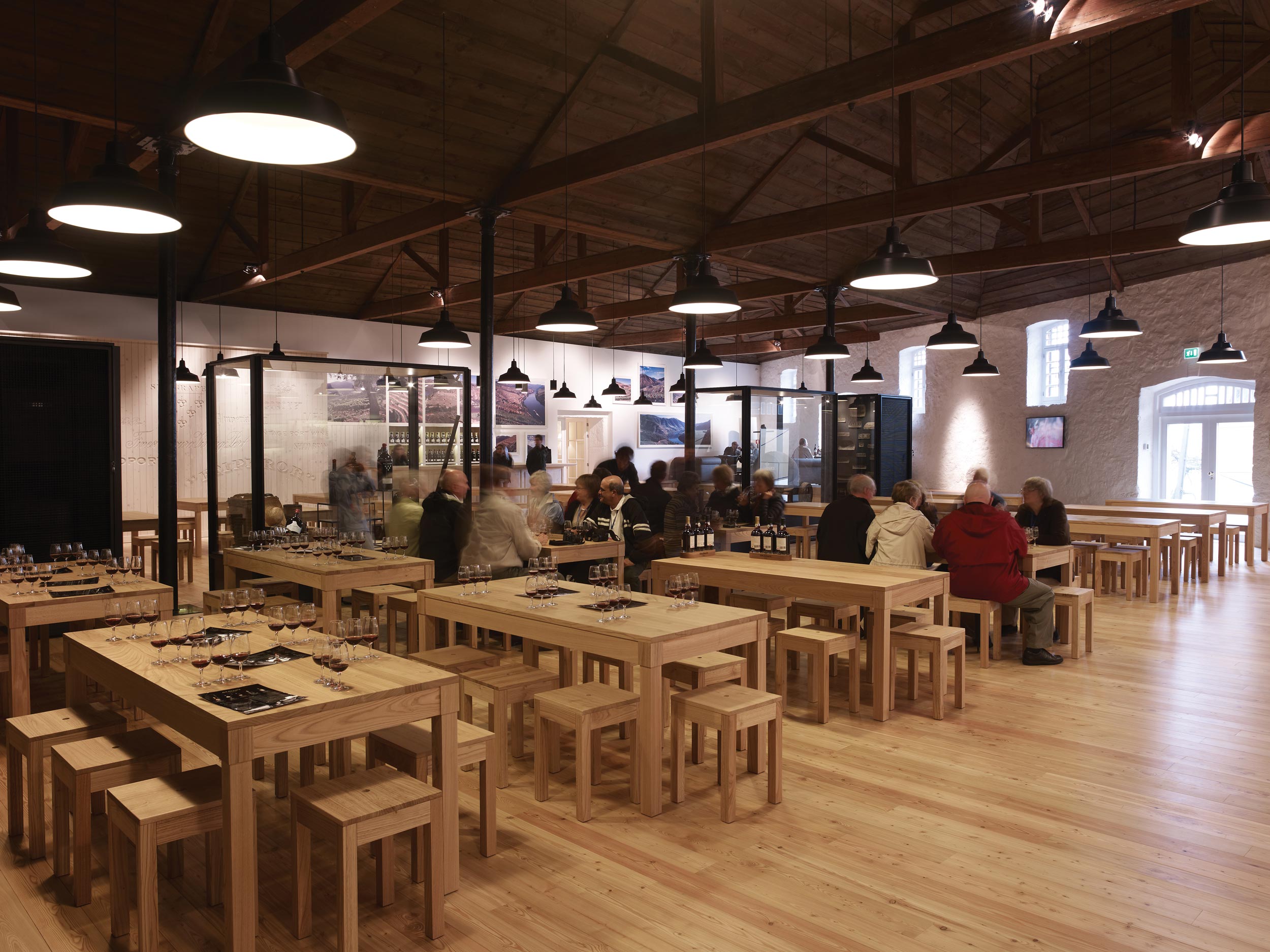
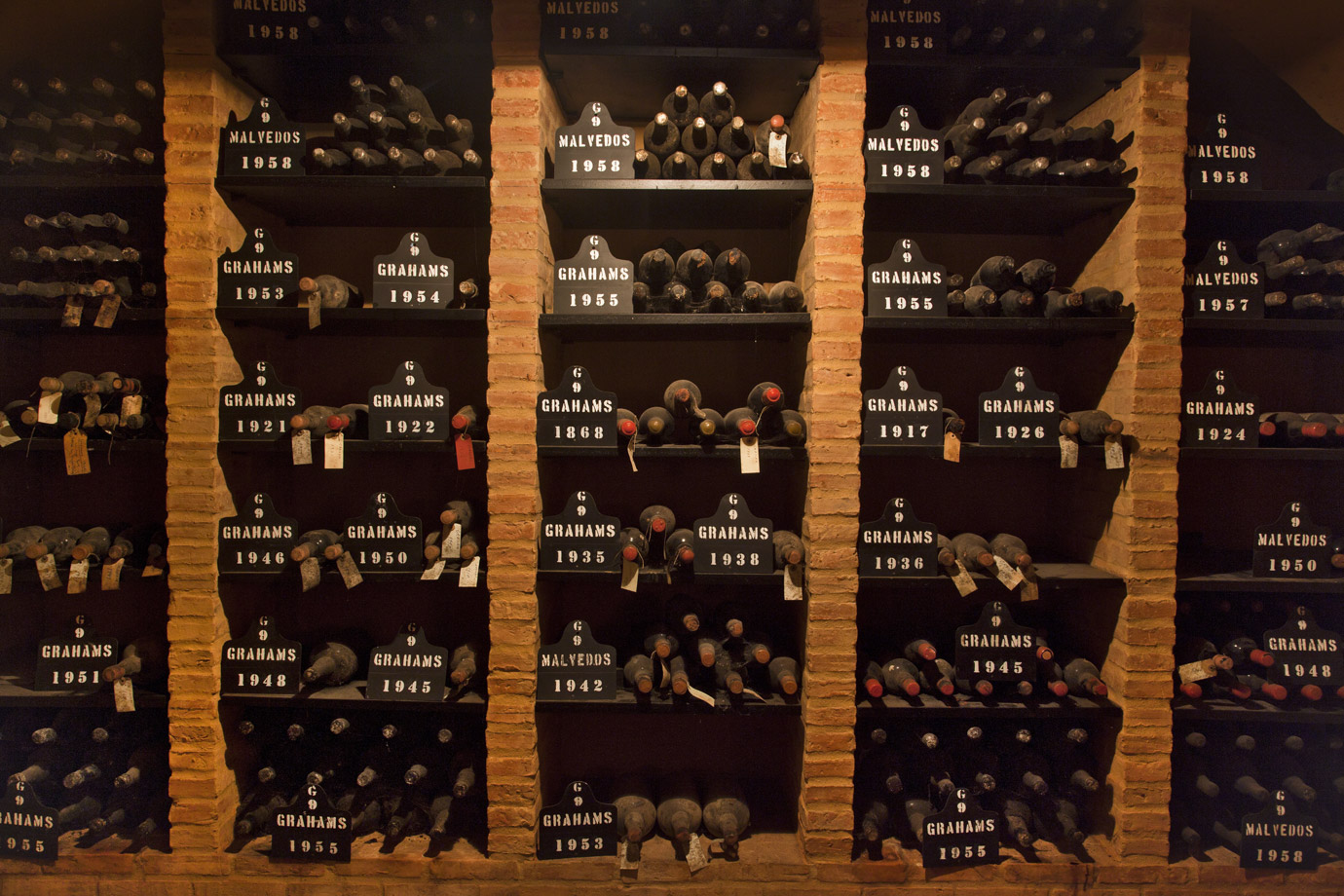
If you are a wine enthusiast, then you cannot miss visiting the famous Porto wine cellars. The Douro region, where Porto wine comes from was the first wine marked region in the world in 1756 and has a rich tradition when it comes to producing fine quality wines. To be honest, I have visited some Porto wine cellars and all of them are super interesting but the one I like the most is Graham’s both because of its amazing outdoor views and also because of the rich guided tour. Visiting the cellars includes both a guided tour through the cellars where you can learn about the wine vinification and storage process and in the end a wine tasting where you can try the different kinds of Porto wines.
Clérigos Tower

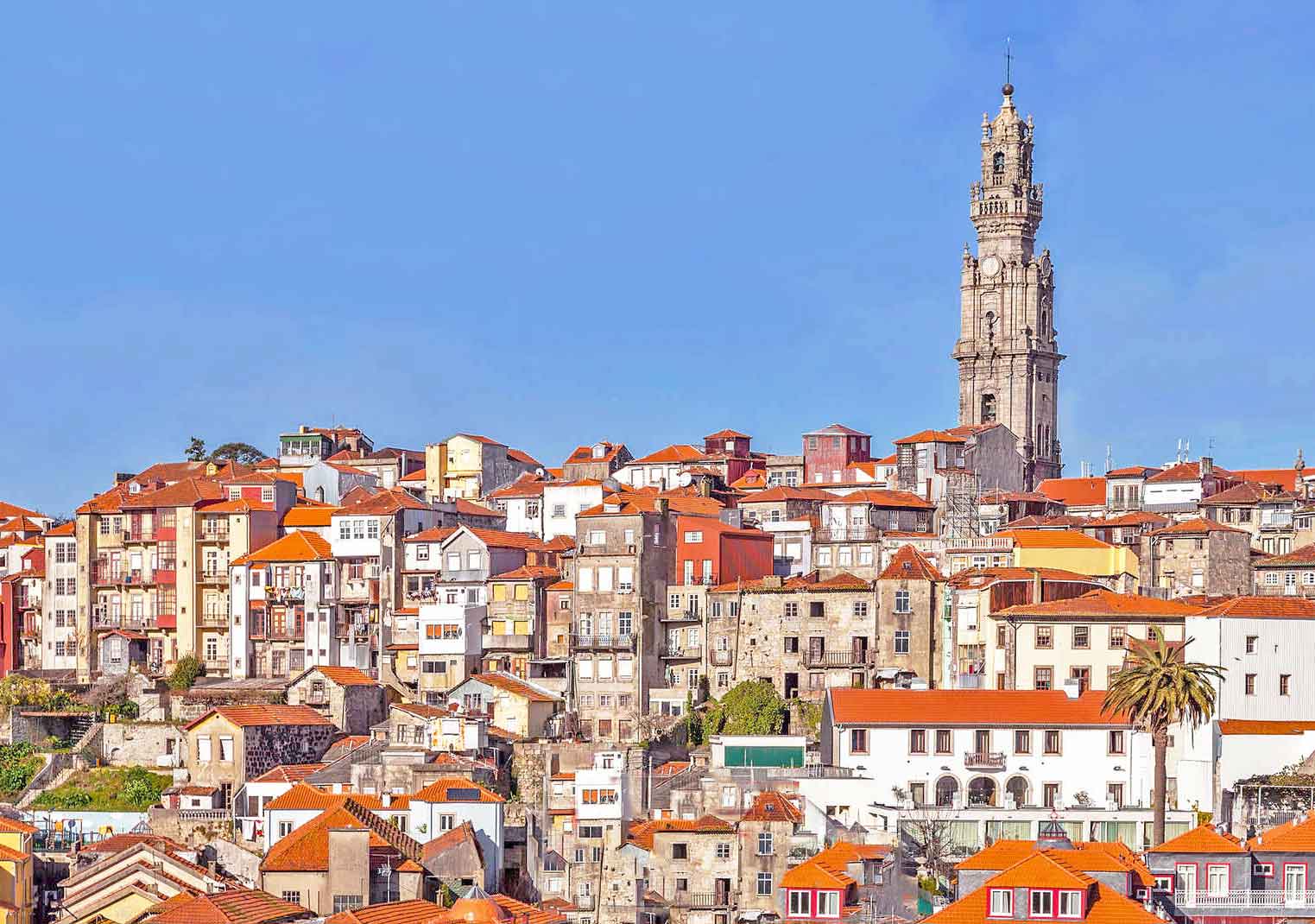
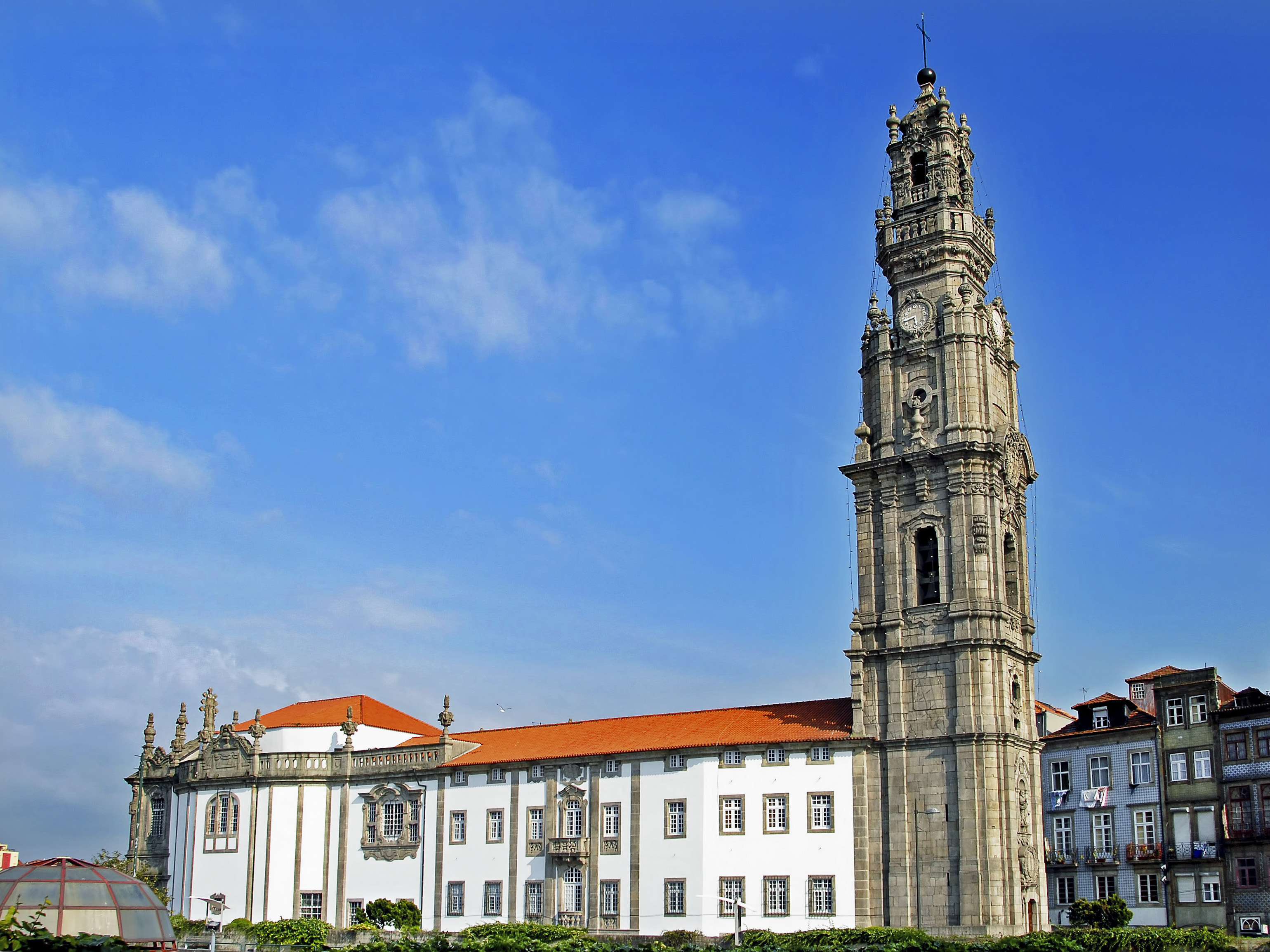
The Clérigos Tower, or Torre dos Clérigos, is one of Porto’s most iconic landmarks and a testament to the city’s rich architectural heritage. Standing tall in the heart of Porto, this baroque masterpiece is not only a symbol of the city but also an enduring witness to its historical and cultural evolution.
The tower is part of the Clérigos Church complex, known as Igreja dos Clérigos, which was designed by the renowned Italian architect Nicolau Nasoni. Construction of the church began in 1732 and was completed in 1750, while the tower itself was completed in 1763. Nasoni’s influence is evident in the dramatic baroque style, characterized by ornate details, bold forms, and a dynamic sense of movement.
Reaching a height of 75.6 meters, the Clérigos Tower was the tallest building in Portugal at the time of its completion and remains a dominant feature in Porto’s skyline. The tower’s design is both elegant and functional, with six floors connected by a spiral staircase of 225 steps. As visitors ascend, they are rewarded with a series of progressively expansive views, culminating in a breathtaking panorama of Porto from the top. The city’s terracotta rooftops, the Douro River, and the surrounding landscape are all visible, making the climb a popular activity for tourists and locals alike.
Lello’s Bookshop
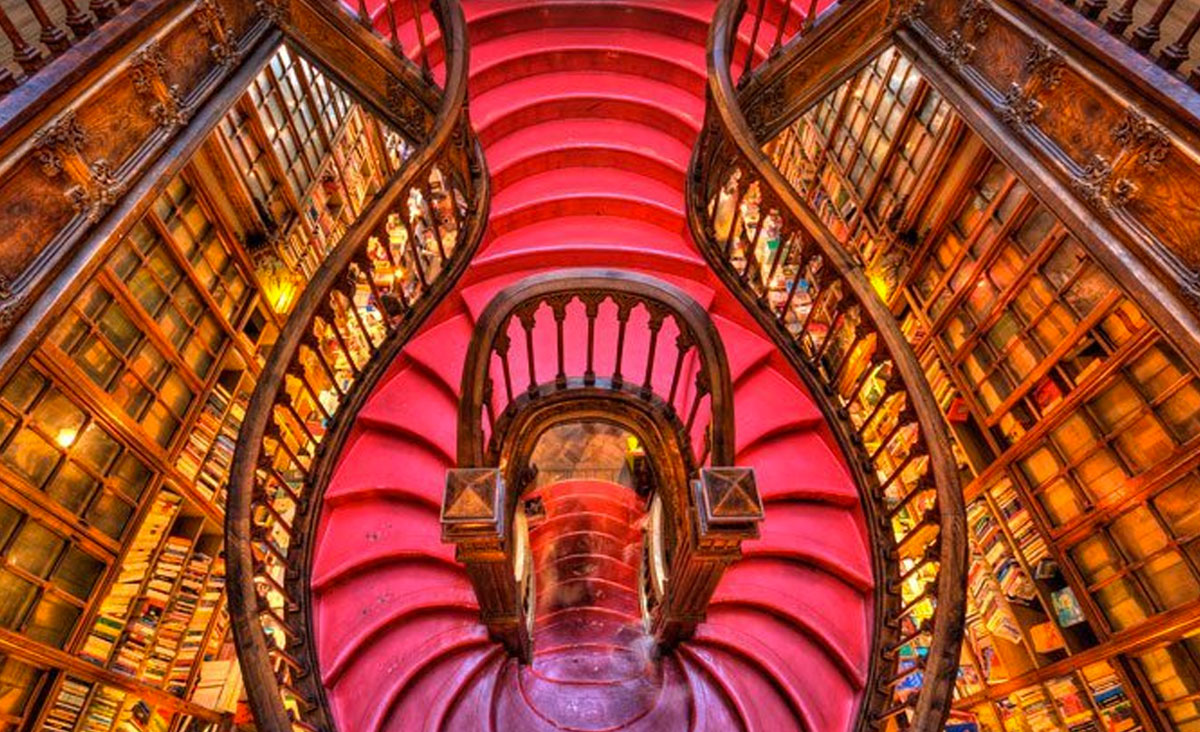
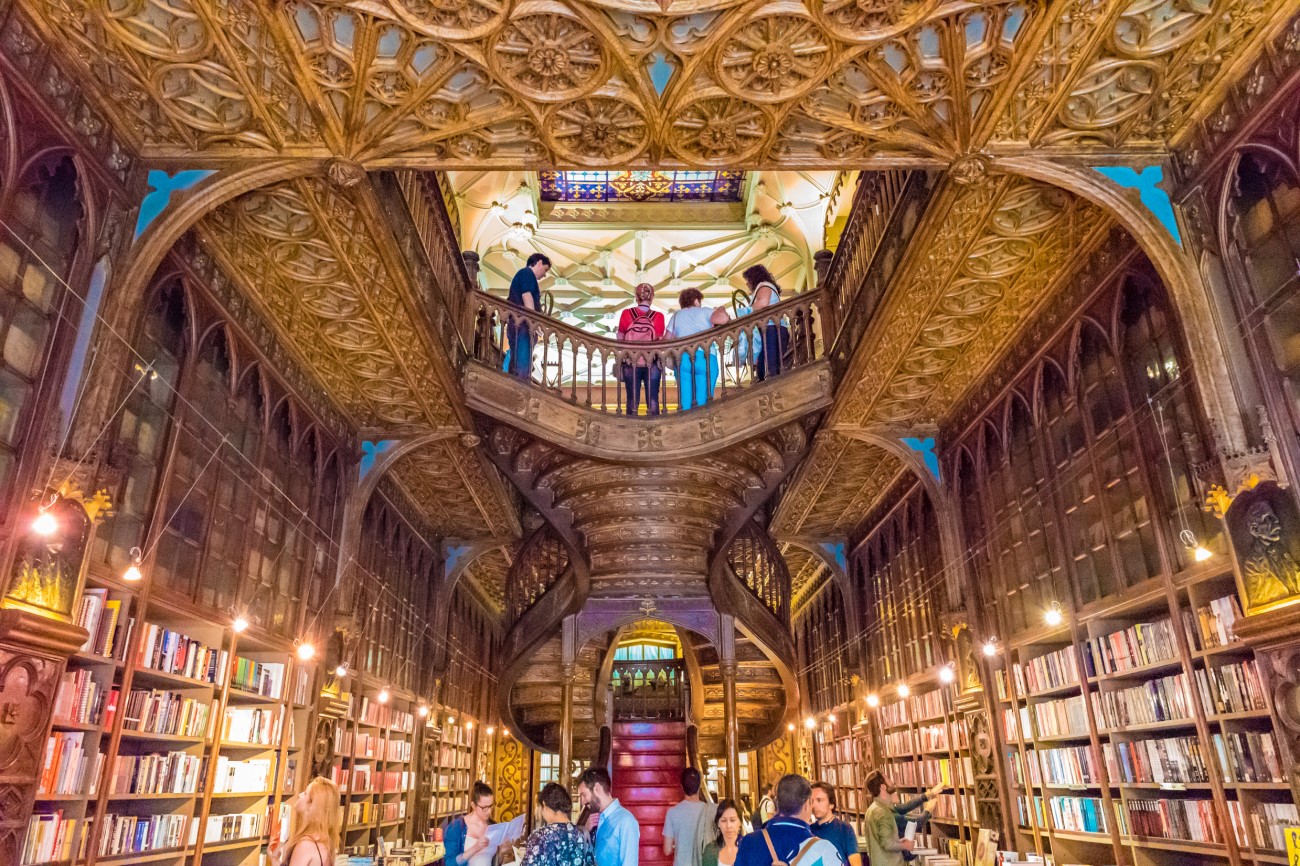
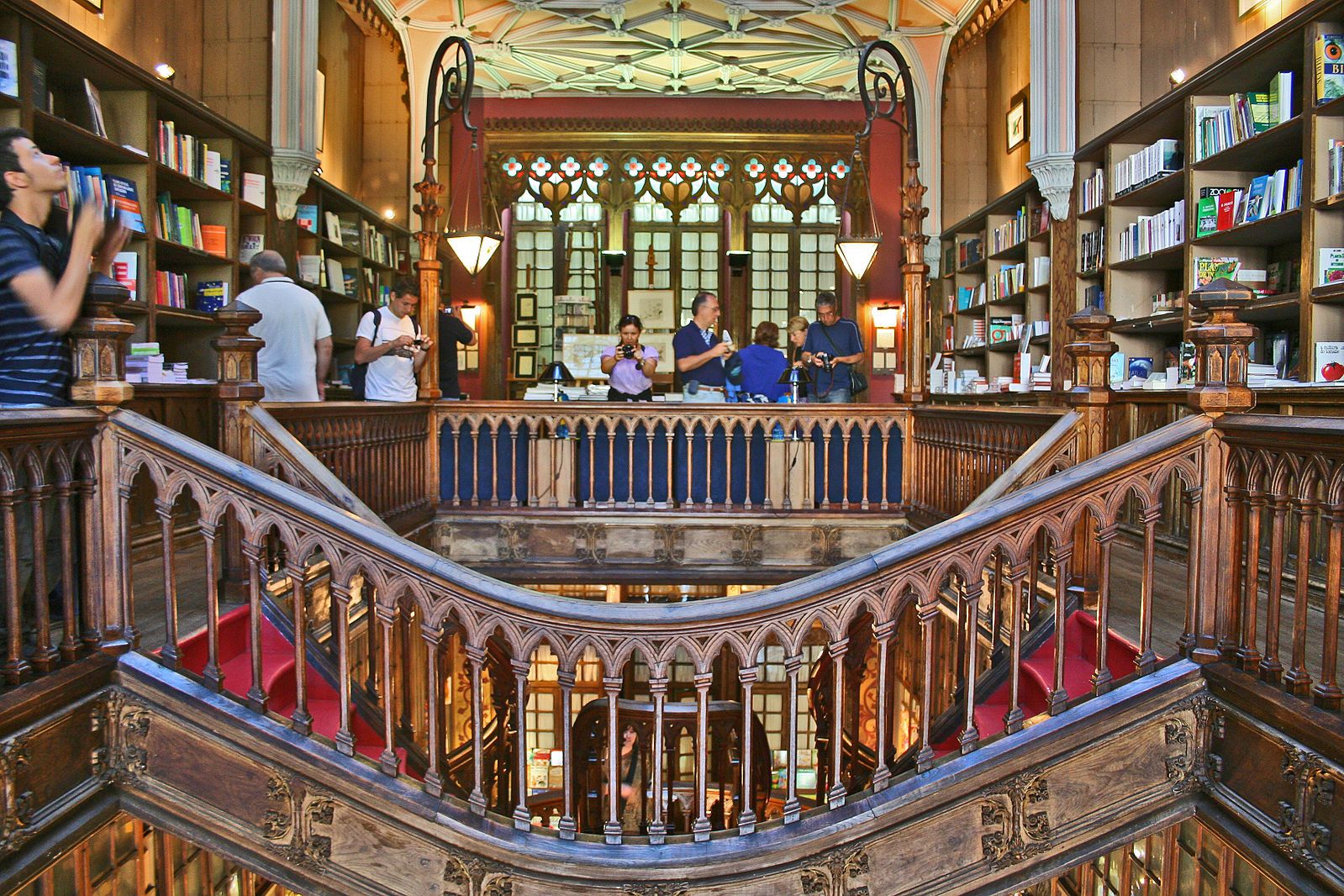
Livraria Lello, commonly known as Lello Bookshop, is one of the most iconic and enchanting bookstores in the world. Located in Porto, Portugal, at Rua das Carmelitas 144, this historic establishment is not just a haven for book lovers but also a celebrated architectural and cultural landmark.
Founded in 1906 by brothers José and António Lello, the bookshop has been captivating visitors with its Neo-Gothic facade and stunning interior design. The building itself, designed by architect Xavier Esteves, is a masterpiece of Art Nouveau and Gothic Revival styles. The facade, adorned with intricate carvings and a striking central stained-glass window, invites passersby into a world of literary and artistic beauty.
Upon entering Livraria Lello, visitors are immediately greeted by the bookshop’s most famous feature: the grand wooden staircase. This intricate, winding staircase, painted in deep red, not only serves as a functional centerpiece but also creates a mesmerizing visual spectacle. The ceiling above the staircase is equally breathtaking, with a stained-glass skylight featuring the Lello motto, “Decus in Labore” (“Dignity in Work”). The skylight floods the interior with natural light, enhancing the warm and inviting atmosphere.
The walls of Livraria Lello are lined with bookshelves filled with a carefully curated selection of books, including Portuguese literature, international classics, and a wide range of genres. The bookshop is particularly known for its collection of works by Portuguese authors and its dedication to promoting local culture and literature.
Livraria Lello’s charm and beauty have earned it international acclaim, making it a popular destination for tourists. It has been frequently cited as one of the most beautiful bookstores in the world and has even been rumored to have inspired J.K. Rowling during her time in Porto, where she worked on the early drafts of the Harry Potter series.
Beyond its literary offerings, Livraria Lello often hosts cultural events, book signings, and exhibitions, making it a vibrant cultural hub in Porto. The bookstore’s dedication to preserving its historic charm while embracing modern literary culture has made it a beloved institution both locally and globally.
Visiting Livraria Lello is not just about purchasing books; it’s an experience that transports visitors into a magical world where literature and architecture converge. It stands as a testament to the enduring power of books and the beauty of thoughtful design, continuing to inspire and enchant all who pass through its doors.
São Bento Train Station
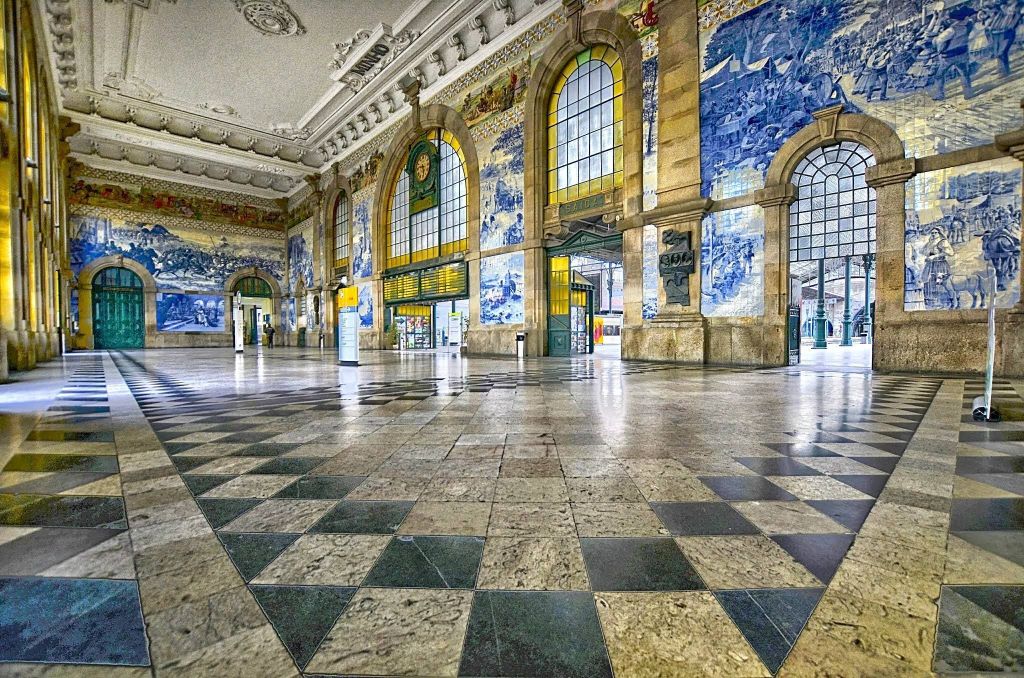
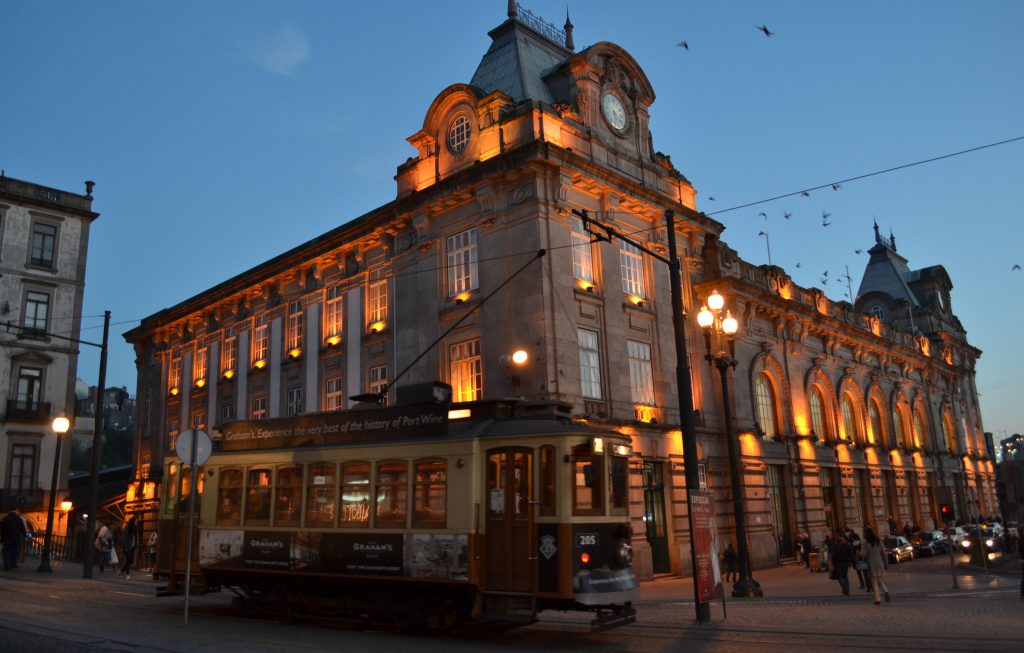
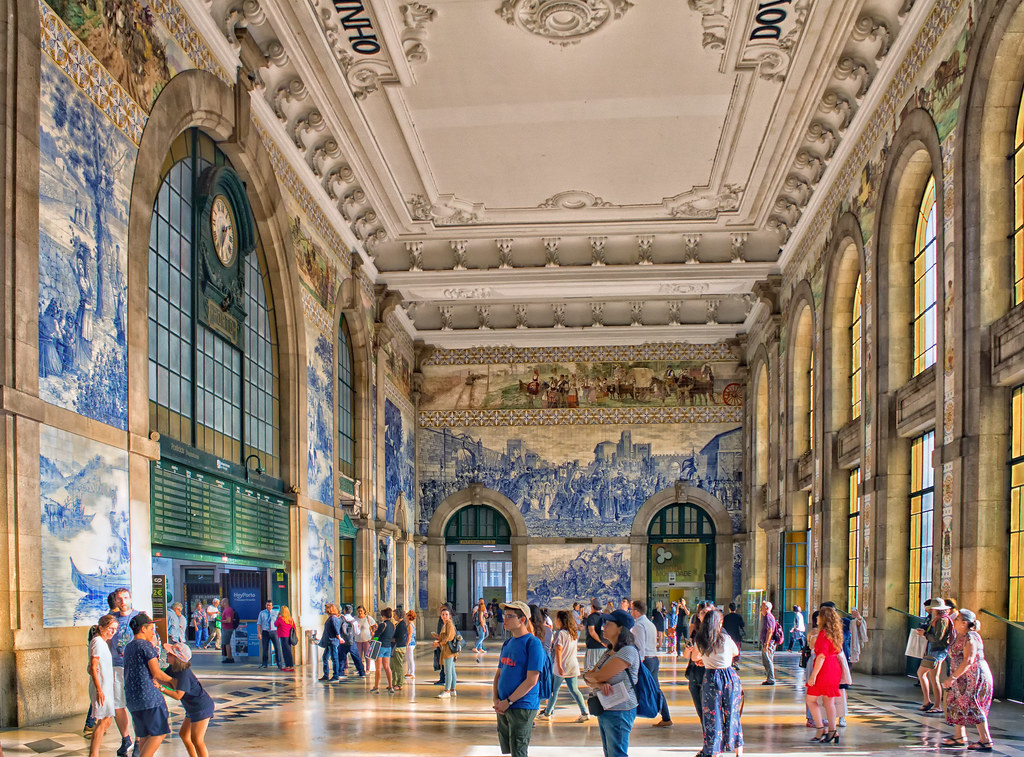
The São Bento Train Station, located in the heart of Porto, Portugal, is a landmark rich in history and architectural splendor. Officially known as Estação de São Bento, this station is not only a key transportation hub but also a cultural gem admired for its stunning azulejo tile artwork.
The station’s history dates back to the late 19th century when the site was originally occupied by the São Bento de Avé-Maria convent. The convent was demolished to make way for the railway, and the station’s construction began in 1900, under the design of architect José Marques da Silva. The building was completed in 1916, and its Beaux-Arts architectural style reflects the period’s elegance and grandeur.
One of the most remarkable features of São Bento Train Station is its grand entrance hall, adorned with approximately 20,000 azulejos (traditional Portuguese blue and white tiles). These tiles were created by artist Jorge Colaço and installed between 1905 and 1916. The intricate murals depict significant historical events from Portugal’s past, including the Battle of Valdevez and the conquest of Ceuta, as well as scenes from everyday rural life, illustrating the rich cultural heritage of the region.
Beyond its artistic allure, São Bento serves as a bustling transportation hub, connecting Porto with various regions of Portugal. The station provides easy access to destinations such as the Douro Valley, Braga, and Guimarães, making it a pivotal point for both locals and tourists exploring the north of the country.
The station’s architectural beauty, coupled with its vibrant historical narratives, makes São Bento Train Station a must-visit site in Porto. It stands as a testament to the city’s rich cultural tapestry and remains a beloved landmark that blends the past with the present, offering travelers a unique glimpse into Portugal’s artistic and historical legacy.
Traditional Shopping Area
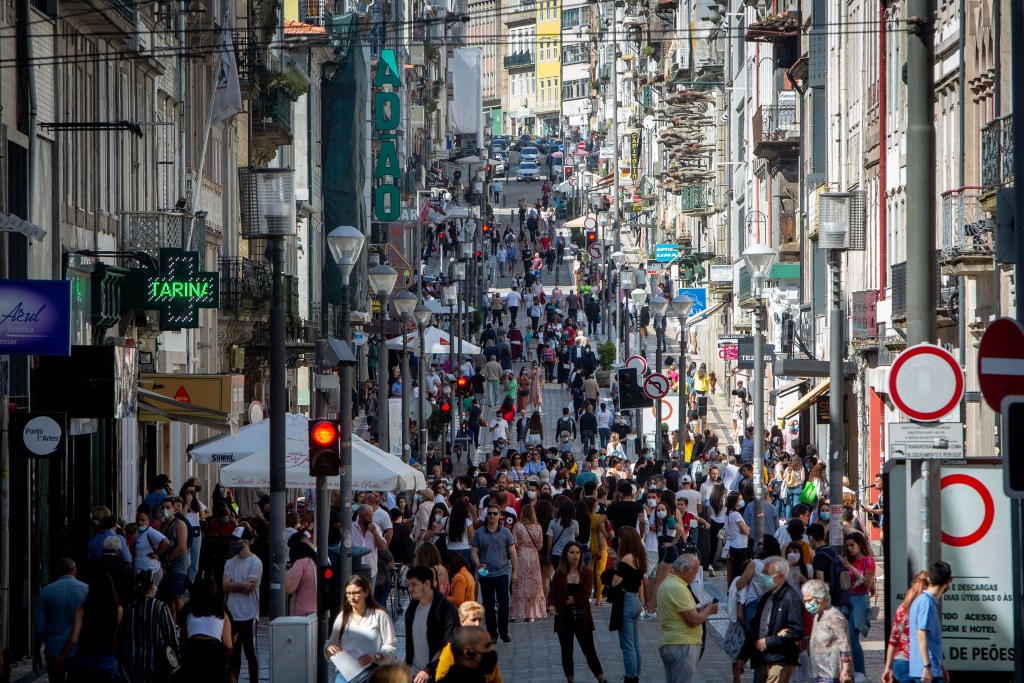
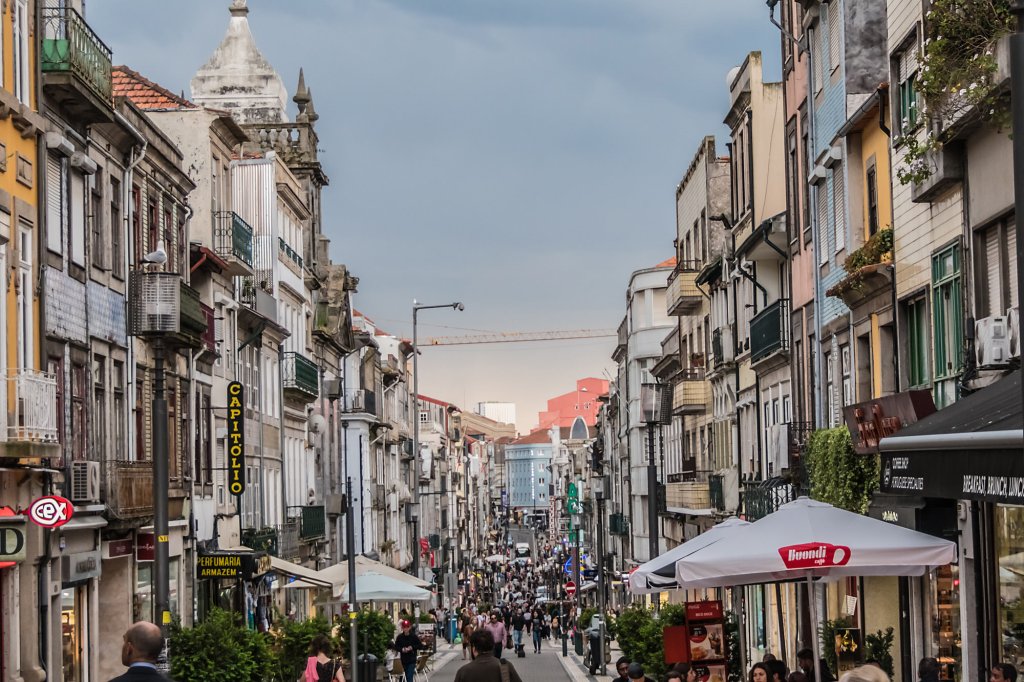
Rua Santa Catarina is one of Porto’s most famous and bustling streets, known for its vibrant atmosphere, rich history, and diverse array of shops, cafes, and cultural landmarks. Stretching for approximately 1.5 kilometers through the heart of the city, this pedestrianized thoroughfare is a must-visit destination for both locals and tourists seeking to experience Porto’s lively urban culture.
The street’s history dates back several centuries and has long been a central axis in Porto’s commercial and social life. Over time, Rua Santa Catarina has evolved into the city’s premier shopping destination, lined with an eclectic mix of traditional stores, international brands, and charming boutiques. This blend of old and new is part of what makes the street so unique, offering visitors a taste of both Porto’s rich heritage and its modern dynamism.
One of the street’s most iconic landmarks is the Majestic Café, an exquisite example of Belle Époque architecture. Opened in 1921, the café is renowned for its ornate interior, featuring elegant chandeliers, carved wooden details, and sumptuous leather seating. The Majestic Café is not just a place to enjoy a coffee or a pastel de nata; it is a cultural experience, often likened to stepping back in time. The café has been a gathering place for intellectuals, artists, and writers, adding to its storied legacy.
Another notable feature of Rua Santa Catarina is the striking Capela das Almas, or Chapel of Souls. This small chapel is adorned with stunning azulejo tiles, which depict scenes from the lives of saints, particularly Saint Catherine and Saint Francis of Assisi. The vibrant blue and white tiles make the chapel a visually arresting landmark and a popular spot for photography.
As a pedestrianized street, Rua Santa Catarina offers a pleasant environment for strolling and window shopping. Street performers and vendors add to the lively ambiance, creating a dynamic and engaging atmosphere. The area is also home to several shopping centers, including Via Catarina, which blends modern retail with traditional architectural elements.
In addition to shopping and dining, Rua Santa Catarina is a cultural hub. The street frequently hosts various events, including street fairs, concerts, and art exhibitions, making it a focal point for community activities. It serves as a gateway to the broader cultural landscape of Porto, with easy access to nearby attractions such as the Mercado do Bolhão, a historic market offering a rich array of local foods and crafts.
 Porto Tips